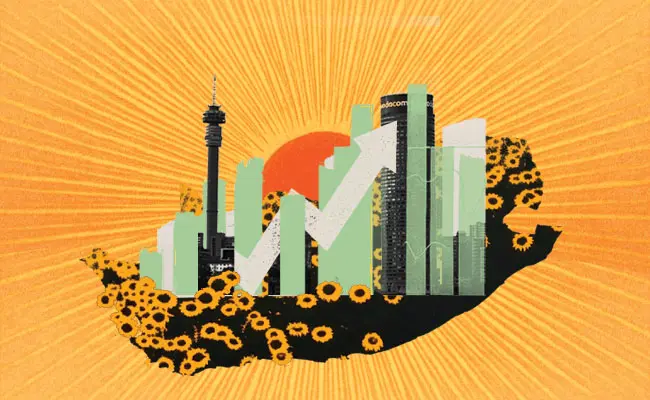
One of the more interesting aspects of the rebasing of South Africa’s GDP — besides that, at R8-trillion, it shows our economy is 5.3% larger than previously estimated — is the size of what Stats SA politely calls the “nonobserved” economy: the informal and illicit sector, which, on closer observation, apparently now accounts for as much as 8.7%, or R551bn’s worth, of the total economic activity.
The statistics agency has a long history of incorporating estimates of informal, illegal and illicit activities into GDP compilation. In 1995 it included data on spaza shops, taxis and subsistence agriculture. That was expanded to include street hawkers, shebeens and informal recycling, as well as illicit activities like narcotics and prostitution. Now illegal mining, e-hailing services and illegal gambling have made the cut, too.
In individual sectors of the economy, some of the data is eye-opening, for example a quarter of all construction-related activity now falls into the “nonobserved” category. This is a huge percentage, and refers mainly to the building of shacks or informal settlements — construction activity for which no plans have been passed and on land not serviced by the state. And you can forget about title deeds.
Almost a fifth of transport and telecoms activity is nonobserved, while just under 15% of water, gas and electricity falls into this category. The finance industry, on the other hand, recorded the lowest prevalence of nonobserved economic activity, at only 2.1%.
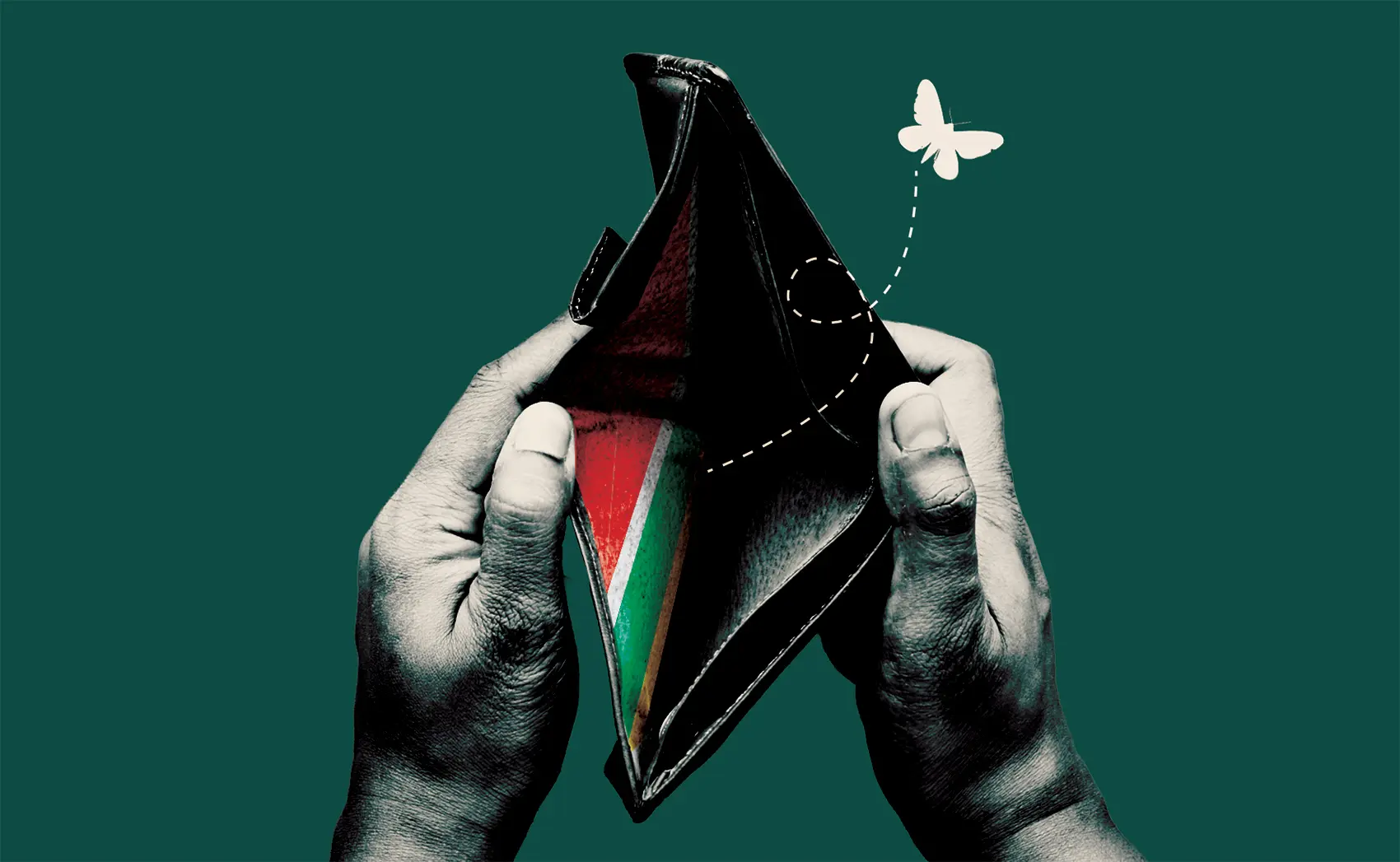
Now, we knew that South Africa had a huge informal economy, the subject of which has prompted fierce debates about whether we are in better shape economically speaking than the official numbers suggest. But the problem, as economist George Glynos tells it, is that while debt metrics as a percentage of GDP might have improved thanks to this rebasing, tax revenue as a share of GDP will likely be lower than previously thought, while the trade that takes place in these newly included informal sectors “is largely untaxed and untaxable”.
This should serve as another sobering reminder, if we needed it, of how fragile and stagnant South Africa’s tax base remains. Nearly half of all personal income tax is paid by the 7.7% of taxpayers with taxable income of more than R1m per year, while the ratios of both personal and corporate income tax contributions to total tax revenue are higher in South Africa than in most other places.
Evidently, this tax base needs broadening, not least because the goose that lays the golden egg risks expiring.
There is another aspect to the numbers that isn’t wholly positive. That the economy is now 5.3% larger mechanically trims South Africa’s gross debt ratio by almost four percentage points, to about 74% of GDP, and nudges our consolidated deficit down to about 3.7%. Yet, as Glynos explains, “not a single rand of debt has been repaid, the interest bill is unchanged and the tax base has not broadened”.
The danger, he says, is that a cosmetic improvement in ratios is read as fiscal space, weakening already fragile political will to contain state spending and confront unfunded liabilities.
Ratings agencies have flagged debt stabilisation as a precondition for further upgrades, and the lower ratio will help the narrative, but they are unlikely to be swayed by a statistical adjustment alone. Their focus will remain on interest costs relative to revenue, the trajectory of our debt and the contingent liabilities of state-owned enterprises. None of these has improved.
Nor, in fact, does the rebasing flatter growth. In 2020, for example, South Africa’s economy actually shrank 6.8% and not 6.2%, while growth in 2025 didn’t even top 1%. The composition of output is another reminder of South Africa’s deindustrialisation: manufacturing’s share of output has slipped to 11.9% — a far cry from the 21.5% it accounted for in 1995.
The economy, we now know, may be larger than thought, but it is clearly no more dynamic than a month ago, and nowhere near as vibrant as it should be.