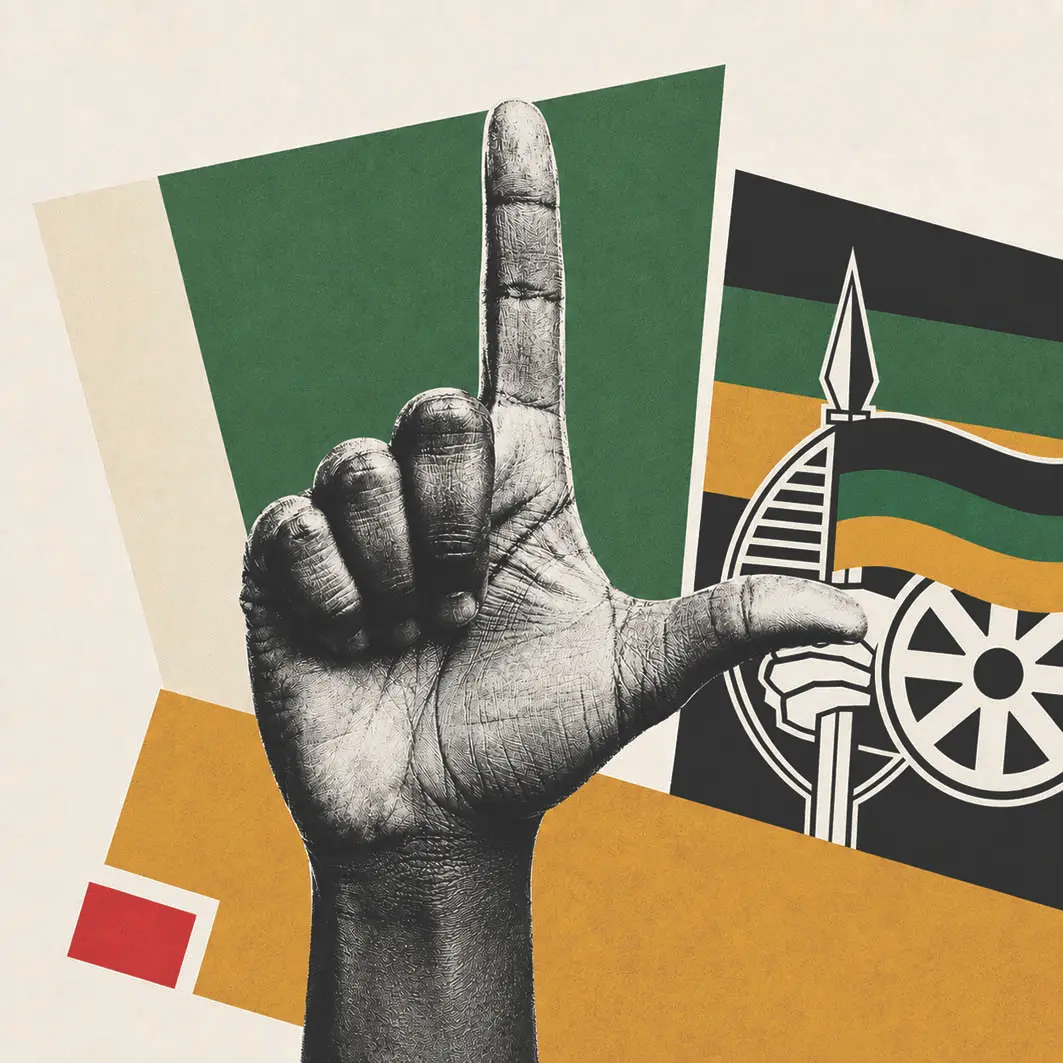
Europe is burning again.
In France, hundreds of thousands of protesters have gone out into the streets of Paris and other major cities to protest against poor school conditions and the soaring cost of living. In Milan, Rome, Turin and other parts of Italy, angry protesters torched buildings and complained that life had become too expensive. In Lisbon, Portugal, tens of thousands followed Spaniards’ example by marching against high living costs and an escalating housing crisis.
The cost-of-living story is the story of the 2020s. Once, it seemed like an African story only. In 2022, violent antigovernment protests erupted in Sierra Leone over high fuel and food prices after Russia’s invasion of Ukraine. Similar, more intense and deadlier riots erupted in Kenya in 2024 when Gen Z protesters forced the government to withdraw a controversial finance bill that sought to hike various taxes.
Similar demonstrations have toppled regimes in Sri Lanka, Nepal and Bangladesh. Governments across Europe, Africa, Asia and Latin America have been strained. The protests are springing up in the most unlikely places, too. Mauritius, regarded as an economic success, saw riots erupt last week because citizens can no longer afford basics — and there are also water shortages.
Could these riots happen in South Africa? Are they happening already? The Fees Must Fall movement of the mid-2010s had, at its core, students’ discontent with the fact that they could not afford to live on the stipends they received from the government and their parents. Was that our moment? What do we make of the fact that the looting that took place in July 2021 seemed like an angry attack on the system, rather than support for former president Jacob Zuma or mere criminality? Why do xenophobic attacks (such as the ones in Durban and Soweto two weeks ago) pivot around issues of economic displacement?
We have, since 1994, chosen the route of liberal democracy and capitalism as the broad framework of our country. These systems have, in the past 16 years, produced poor results. Our brand of liberal democracy has given us the broken, corrupt, country we are confronting through the Madlanga commission, and a populace that has given up on even voting. Turnout was a measly 41% of the country’s voting-age population in 2024, while 13-million eligible South Africans did not register to vote at all for the 2024 polls. Our brand of capitalism has given us the most unequal country in the world, with an official youth unemployment rate (for ages 15–34) of 47.4% and general unemployment of 33.6%.
Before 1994, we were promised democracy and prosperity. Since 2009, we have suffered corruption and economic stagnation.
President Cyril Ramaphosa occupies a unique and important role in our country. He fought for democracy as a United Democratic Front and ANC activist; he negotiated its introduction and was the chair of the Constituent Assembly that wrote our constitution. His post-apartheid endeavours made him a poster boy for our new capitalism. He has a lot to reflect on today, given that many would argue that South Africa’s version of democracy and capitalism has failed.
Our young people live in an economy in which capitalism works only if you are politically connected, or an outright extortionist such as the mafia bosses who have appeared before the Madlanga commission.
These young people raise their eyes globally and see capitalism embodied by US President Donald Trump, a man who has enriched himself and his family by $2.5bn in just two years. They wonder: what kind of system is this? Why should I believe in it, and why should I be part of it?
Like President Emmanuel Macron in France, we’ve sold people a failing system. They do not have a stake in these systems, and they don’t believe they ever will. The idea of climbing up the ladder of prosperity is an illusion that will never be attained.
South Africa’s leaders need to give our liberal democracy and capitalism more energy, muscle and effectiveness. They need to do what leaders in liberal democracies and effective capitalist countries do: deliver on the promise of infrastructure spend, jobs and, ultimately, prosperity.
News that South Africa could regain an investment grade credit rating, according to Investec, is welcomed. Bold new initiatives in finance minister Enoch Godongwana’s medium-term budget would help.
Otherwise, we will continue to live with the dreadful feeling that the fires burning across Europe and elsewhere today are surely coming to engulf us too.