The chaos in municipal finances is nothing new. The National Treasury began grappling with ways to rein in errant councils as far back as 2016.
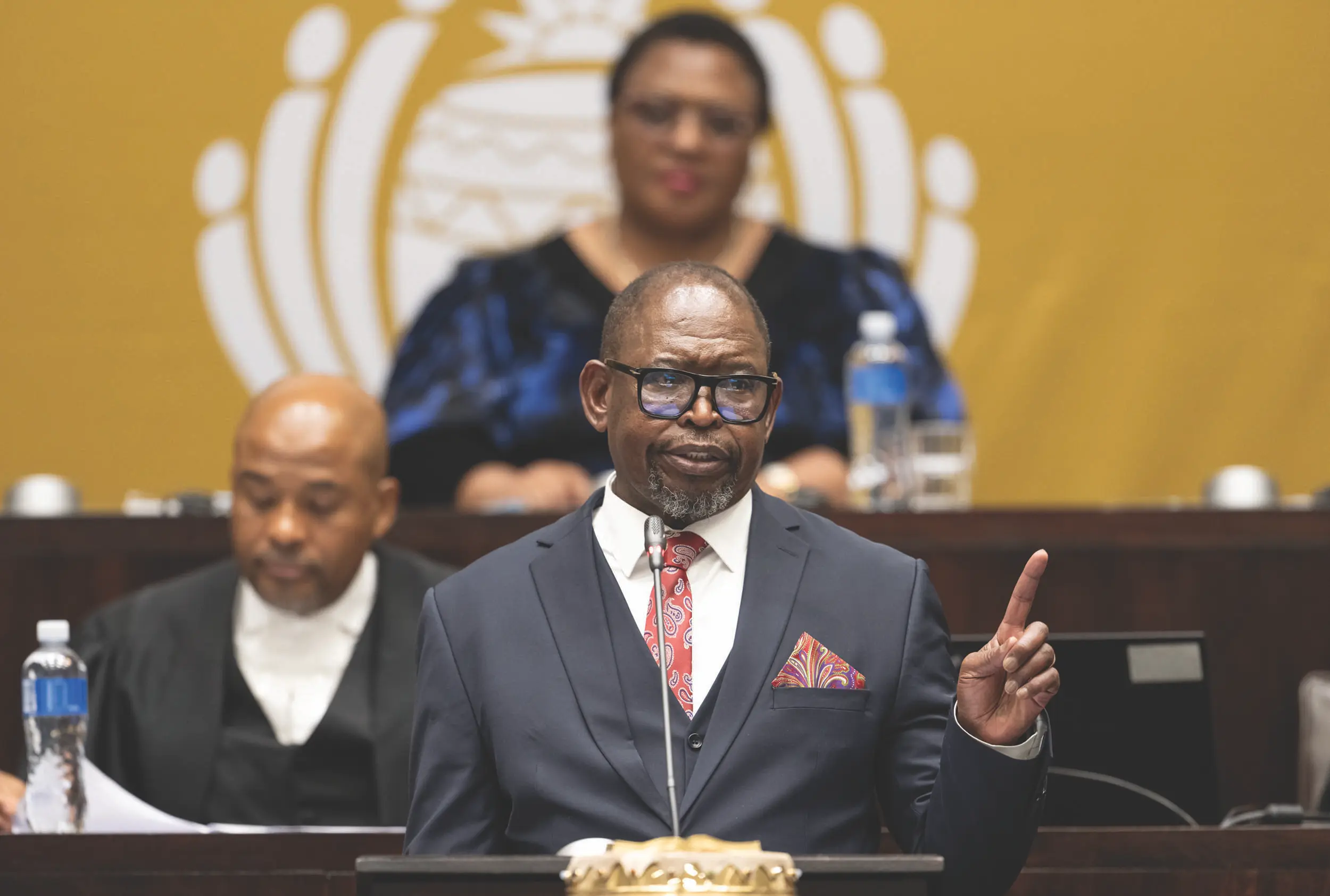
The culmination of the decade-long process that started then is the Municipal Finance Management Act (MFMA) Amendment Bill, which was announced by finance minister Enoch Godongwana in the medium-term budget policy statement two weeks ago.
The amendments, says Treasury chief director for MFMA implementation Wayne McComans, consist of the finance-related provisions in all municipal legislation. These have been extracted and brought under the purview of the MFMA, which is under the direct supervision of the Treasury.
The amendments are the first in the 23 years since the law was enacted. The crucial reforms they propose will take time to be implemented, as they involve a lengthy legislative process. And they’re likely to face fierce resistance from political parties that have transformed local government budgets into patronage war chests.
An essential reform is glaringly absent from the legislation: ensuring that revenue from water and electricity tariffs is ring-fenced and channelled back into maintaining and building the infrastructure needed to provide those services.
At first glance, the omission is inexplicable, given the extent of infrastructural decay across the country. But McComans tells the FM that when the process of putting together the amendments began 10 years ago, the issue of ring-fencing revenue had not emerged as a potential crisis in municipal financing.
He says the provisions will be included at a later stage, once public comments have been made about the proposed amendments, which range from the Treasury signing off wage increases for municipal workers to holding finance administrators personally liable for unfunded budgets.
McComans acknowledges that the current version of the bill has omissions because of how far its formulation had already progressed when these matters arose.
One need only examine auditor-general reports from as long ago as 2011 to realise that municipal finances have been in crisis. Or consider the recent allegations at the Madlanga commission against Tshwane CFO Gareth Mnisi — and the subsequent South African Revenue Service raid on his office — to comprehend the apparent level of capture of senior finance officials in the country’s towns and cities.
Among the amendments contained in the proposed legislation is a provision to ensure that the Treasury signs off on the appointments of municipal CFOs.
“The president asked us during a cabinet meeting last year to assess, when the auditor-general releases the audit report with red flags galore, whether we have competent CFOs in our government,” McComans says.
Audit bloodbath
The Treasury conducted the assessment and found that 94% of the country’s municipal CFOs were indeed qualified. Yet there has been an audit bloodbath every year — only 15% of the country’s 257 municipalities obtained clean audits in the latest report by auditor-general Tsakani Maluleke.
“The question is, why? What’s going on? So, we thought — and the president was supportive of this — let’s see how we can strengthen the Treasury’s role when it comes to appointing CFOs.
“The only way it can be done is if we become involved in the process before appointments are made.”
In response to questions about potential pushback against reforms that are essential to stabilise municipal finances, McComans says there will always be opposition to work the Treasury does. He cites the backlash it received after withholding the equitable share grant from some municipalities in July.
“Ultimately it comes down to what the leadership in your department stands for. I think the leadership in our department has been very, very intentional and clear that we will not tolerate anyone who has no respect for our legislation. Similarly, we will use the tools we have — and emergency management is one of them — to push the change we want to see,” he says.
The reforms are a bold move by the Treasury — and a crucial one, given the state of municipal finances. While they may be unpalatable to some political parties, it could be argued that the current coalition environment is ideal for pushing them through, particularly as any party wanting to oppose them would need widespread support to throw them out completely.
Still, McComans expects the reforms to have been promulgated only after the election of the next crop of councillors, which will be in about 2031. For cash-strapped cities like Joburg, that may be too late.
Marrian is a political analyst with the Bureau for Economic Research