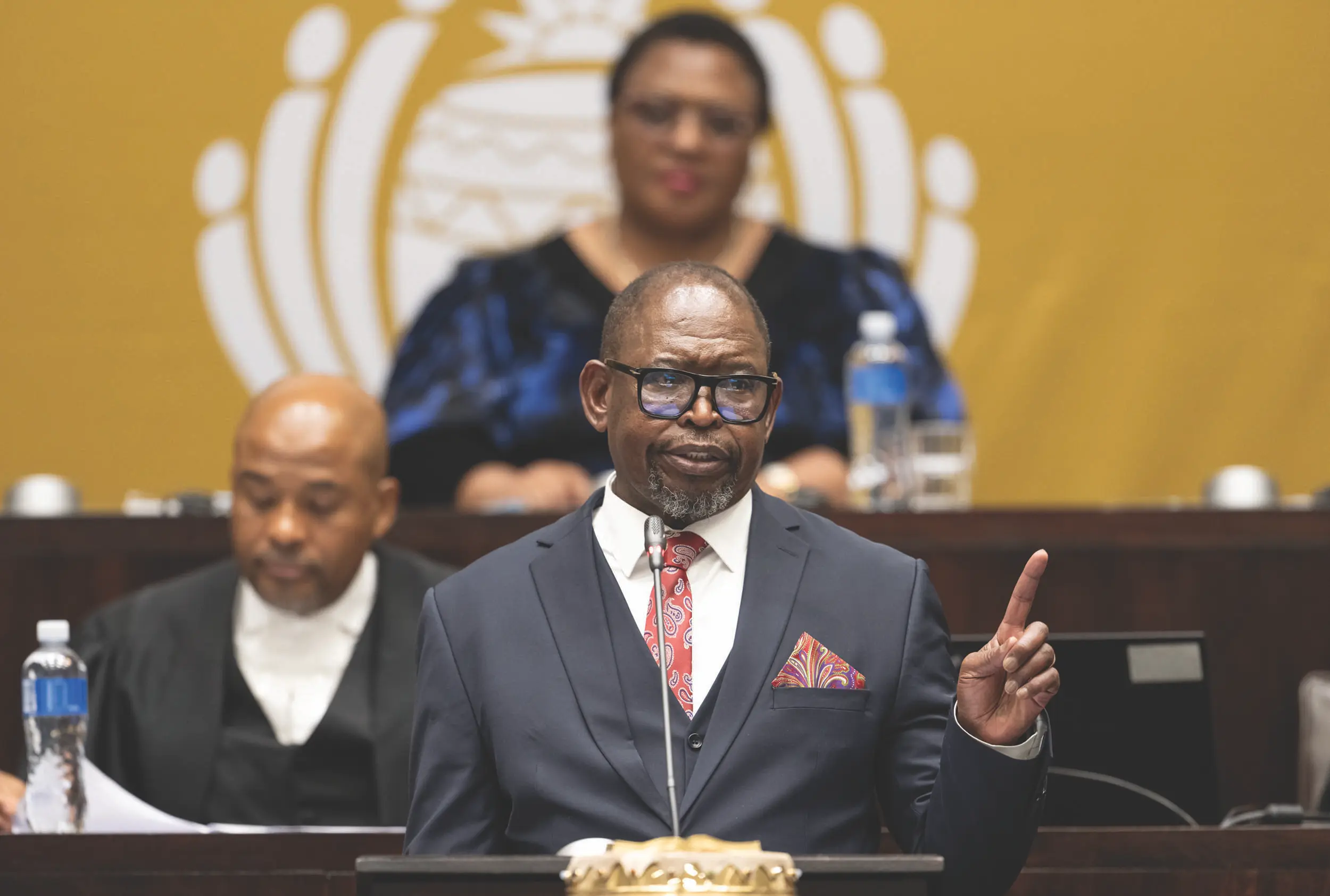
Excitement is building for credit rating upgrades. S&P and possibly Moody’s are due to publish reviews at the end of the month. Fitch could move in its scheduled December review, or else before the February budget. This will reward the fiscal discipline we saw confirmed in the medium-term budget policy statement (MTBPS) last month. Moody’s has had a positive outlook since May, and commented after the MTBPS that this was the second consecutive time there had been no upward revisions on the deficit outlook.
None of this will get us to the all-important investment grade that South Africa finally lost in March 2020 when Moody’s became the last of the agencies to cut us, but it will be one rung below. That could allow us to take the final step towards the end of next year if the fiscal trajectory holds true to the next MTBPS. The prize is valuable: most obviously, investment grade means government bonds can be included in various global indices, generating extensive investor demand and helping to lower borrowing costs.
Lower borrowing costs mean less money going to service debt, and more to other government priorities (hopefully growth-enhancing ones, such as investing in infrastructure). Probably more valuable are the spin-offs for the private sector: a higher sovereign ceiling means the cost of debt drops for everyone, such as our banks that issue Eurobonds in foreign markets, as well as their local currency debt instruments.
But investment grade is also a quality mark of institutional credibility. Many global investors and other financial institutions will only touch an economy that has investment grade for matters such as custody and clearing. So, investment grade will take us a big step towards the goal of becoming a major financial intermediary in investment flows across Africa, which the National Treasury hopes to achieve through the Synthetic Financial Centre.
But before we get ahead of ourselves, there are certainly risks to the upgrades ahead, and more so for further upgrades to investment grade. The positives are that the Treasury has managed to earn credibility for its debt forecasts after hitting its goal of a peak debt:GDP ratio last year (78.4%, which was transformed into 74.6% with last week’s GDP rebasing), and now there is a clear downward trajectory. Budget deficits are coming down and this year will be the fourth with a primary budget surplus, with a larger one next year. On top of that, the Treasury’s new fiscal anchor provides an institutional credibility mechanism with a framework for managing spending, limiting the risk of future debt blowouts of the kind seen during the Zuma years.
Ballooning social spend a real risk
Bailouts for state-owned enterprises are no longer the inevitable line item they were back then, but they are still a risk. Transnet in particular can draw on state guarantees not formally counted as government debt, with a further R100bn on the cards for the next two years that would be invisible to any fiscal anchor. The social relief of distress grant, introduced during Covid as a temporary measure, is proving very difficult to remove; pending litigation to widen eligibility could push its cost up by R36bn to R74bn a year. And economic growth is not providing any tailwinds.
However, I think the signs of discipline are on clear display. The surprise revenue overrun of R54.1bn — thanks to higher corporate income tax, led by mining as commodity prices spiked; stronger VAT collection; and R10bn the Central Energy Fund no longer needed — funded a noninterest expenditure increase of R45.5bn. The Treasury can argue that it allowed expenditure because of the revenue overrun, and there is a logic to that.
Key for agencies will be how the expenditure increase happened; does it reflect a lack of discipline, allowing recurrent expenditure to get out of control? Half the money is tagged to increased infrastructure spending (good, because it increases the capacity of the economy and is a one-off) and topping up a shock contingency reserve by an extra R5bn (also good).
Arguments can be had about the balance, which went into various lines including early retirement costs, modernisation of the South African Revenue Service, damaged municipal and provincial infrastructure and flood-damaged roads, some of which could be repeatable. But the finance minister resisted pressure to redirect the extra revenue to obvious political boondoggles, surely a big temptation in the run-up to local government elections.
Ultimately, I think it is hard to avoid the conclusion that the Treasury has pulled off a dramatic turnaround from that frightening moment at the start of Covid, when it looked as if the country was on the precipice of a debt spiral. The fiscal anchor will, it is hoped, help make that permanent, though the draft doesn’t do that with much force. Missing the fiscal plan’s targets carries no legal sanction, only a duty to explain.
Overall, I think there is a reasonable chance that investment grade is on the horizon. Positioning for that now could well pay off. While there are certainly still risks, including the rather large one of what will follow the Ramaphosa presidency, this has all the signs of a real change in how the government manages its money. It would be helped if the consultation period on the fiscal anchor leads to additional rules, such as a requirement to assess whether surprise revenue is repeatable, and to confine temporary windfalls to one-off spending or debt reduction.
Theobald is chair of consulting firm Krutham